
If your heat pump appears to be stuck in defrost mode, begin by checking the thermostat settings, airflow and the condition of the outdoor coil, then allow the system to complete one normal defrost cycle to see if it resets. If the unit continues defrosting repeatedly, runs for unusually long periods, trips breakers or makes loud grinding noises, stop troubleshooting and contact a qualified HVAC technician by calling HVAC 911 for a referral to a local, licensed, bonded and insured contractor.
Discover about heat pumps | Heat pump repair help and emergency next steps
What’s happening
Defrost mode is a normal heat pump function that melts frost off the outdoor coil so the system can keep heating efficiently. During defrost, the system temporarily shifts operation, which can feel like cool air indoors or a pause in heating.
When a unit is “stuck,” it may be entering defrost mode too often, staying in defrost too long or failing to return to the normal heating mode. This can reduce comfort, increase energy use and strain key components.
Why it happens
Spring thaw conditions — freeze/thaw cycles, high humidity and temperature swings — can increase frost buildup and trigger more frequent defrost events. If the system’s sensors or controls are inaccurate, it may misread coil temperature and call for defrost when it is not needed.
Common causes include a failing defrost control board, a bad coil temperature sensor, a stuck reversing valve or a low refrigerant charge that changes coil temperatures. Airflow problems (dirty filter, blocked indoor coil, closed vents, etc.) can also make the system run inefficiently and contribute to abnormal defrost behavior.
What HVAC Technicians see in the field
Oftentimes, HVAC service technicians will observe “stuck in defrost” complaints that are actually a combination of normal defrost operation plus an airflow restriction that makes the home feel colder than expected. They also see outdoor units partially blocked by debris, which reduces airflow across the coil and increases the risk of frosting.
Another frequent pattern is a sensor or control issue that causes short, repeated defrost cycles, leading to noticeable comfort swings and longer run times. When it’s addressed early, they can often prevent compressor stress and avoid secondary electrical failures.
What you can safely do now
Confirm your thermostat is set to Heat (not Emergency Heat unless directed) and that the setpoint is above room temperature. Replace the air filter if it is dirty, and ensure the supply vents and return grilles are open, as restricted airflow can worsen comfort during defrost.
Outside, visually check that the outdoor unit has clear space around it and that the coil is not packed with leaves, lint or heavy debris. Do not chip ice with tools or pour hot water on the unit, because that can damage fins and electrical components.
Safe checklist:
- Thermostat check (Heat mode, setpoint, batteries if applicable).
- Replace the filter and confirm vents/returns are open.
- Clear debris around the outdoor unit (keep hands/tools away from moving parts).
- Observe one full cycle to see if defrost ends normally.
- Turn the system off if you hear grinding, smell burning or see electrical issues.

When to call an HVAC technician
Call HVAC 911 for a referral to a local HVAC contractor if defrost cycles are frequent and long, the system cannot maintain temperature or you notice repeated cold-air blasts that do not stabilize after the cycle ends. Also, call if the outdoor unit is making loud buzzing, grinding or clicking noises, or if breakers are tripping.
If you see heavy ice buildup that does not clear, water leaking into places it should not or signs of refrigerant issues (poor performance, unusual coil frosting patterns), professional diagnosis is the safest next step. Avoid repeated power cycling, because it can stress the compressor and controls.
What an HVAC technician will do
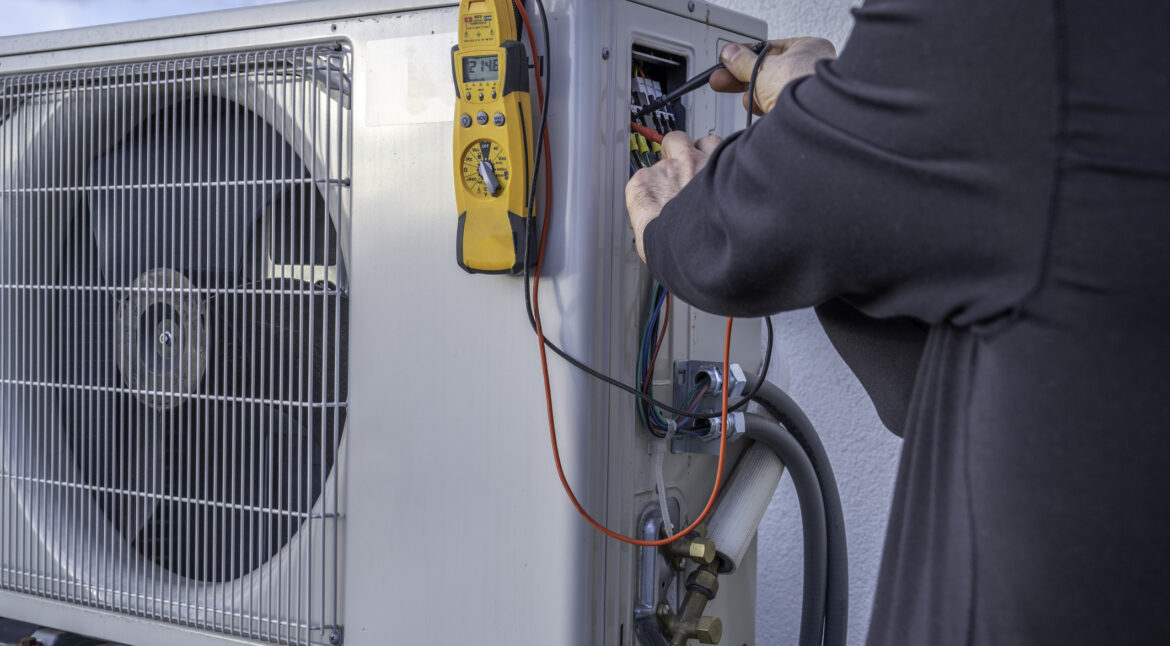
An HVAC service technician will confirm whether the system is defrosting normally or being triggered incorrectly, then test the defrost control board, sensors and the reversing valve. They will inspect airflow across the indoor and outdoor coils and check for restrictions that can mimic or worsen defrost problems.
They may also check refrigerant charge and look for leaks, because a low charge can cause abnormal coil temperatures and icing patterns. If electrical components are failing, they will test contactors, capacitors and wiring to ensure safe operation.
Prevention tips
Replace filters on schedule and keep indoor vents and returns unobstructed to support stable airflow. Maintain clear space around the outdoor unit and periodically remove leaves and debris that can block the coil.
Schedule seasonal maintenance so coils can be cleaned, sensors verified and refrigerant performance checked before transitional weather. If you notice the system defrosting more often than usual, address it early rather than waiting for a full loss of heat.
FAQs
- Is it normal for my heat pump to go into defrost mode?
Yes, defrost is a normal function that clears frost from the outdoor coil. The concern is when defrost mode occurs too frequently, too long or the unit fails to return to heating mode.
- Why does my heat pump blow cold air during defrost?
During defrost, the system temporarily changes its operation, which can reduce the indoor supply-air temperature. It should stabilize after the cycle ends. However, prolonged cold air suggests a problem.
- Can a dirty filter cause defrost problems?
A dirty filter can restrict airflow, causing the system to run inefficiently and worsen comfort, leading to abnormal operation. Replacing the filter is a safe first step.
- Should I switch to Emergency Heat if it’s stuck in defrost?
Only use Emergency Heat if your system instructions or an HVAC technician recommend it, because it can increase energy use. If the unit is not heating properly, call for service.
Call HVAC 911
If you’re dealing with issues with your heat pump right now, it’s safer and faster to get a qualified HVAC technician involved before the problem escalates, especially if the safe steps haven’t resolved the problem.
HVAC 911 is a referral service affiliated with the top local licensed, bonded and insured HVAC contractors in the area. They employ highly qualified technicians who have completed over 10,000 hours of training and undergone rigorous background checks. Call HVAC 911 today!

