
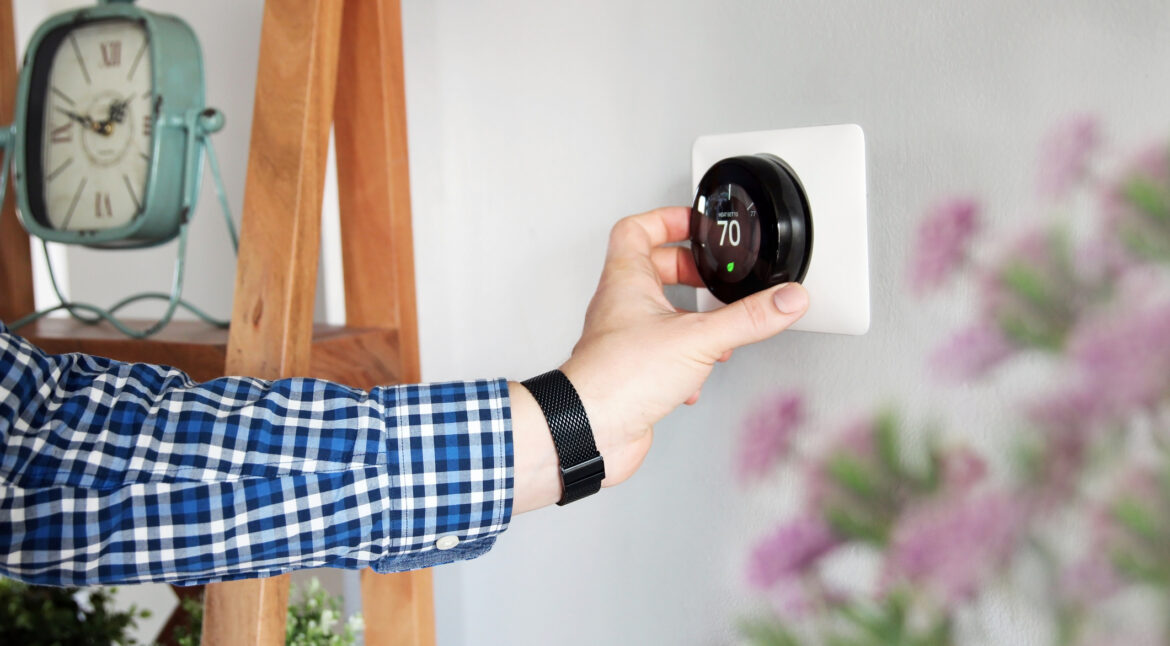
Heating and cooling costs make up a significant portion of most household energy bills. Many homeowners focus on upgrading major equipment, such as furnaces or air conditioners, but one of the simplest ways to improve efficiency often starts with the thermostat. An outdated or improperly used thermostat can cause a heating system to work harder than necessary, resulting in higher energy consumption and unnecessary expenses.
HVAC 911 connects homeowners with licensed HVAC contractors who can assess whether a new thermostat could enhance comfort and lower energy costs.
How Thermostats Affect Heating Costs
A thermostat controls when and how long your heating and air conditioning system run. Older manual thermostats and early digital models maintain a single temperature setting unless adjusted by the homeowner. This often results in heating or cooling the home when no one is there.
Modern thermostats provide more precise temperature control, enabling systems to operate more efficiently based on actual usage patterns.
Temperature Control and Energy Use
Even minor temperature adjustments can impact energy consumption. Thermostats that allow scheduled setbacks can reduce unnecessary use during sleeping hours or when the home is unoccupied.
Why New Thermostats Can Reduce Energy Bills
Newer thermostats are designed to improve efficiency without sacrificing comfort. They help systems run only when needed, avoiding excessive cycling.
Programmable and Smart Features
Programmable thermostats enable homeowners to set usage schedules that align with their daily routines. Smart thermostats take it a step further by learning usage patterns, automatically adjusting and offering remote control through mobile devices. These features help reduce energy use when demand is lower.
Improved Accuracy and Responsiveness
Older thermostats can lose calibration over time, causing inaccurate temperature readings. A newer thermostat provides more accurate control, helping the system respond appropriately and avoid overworking.
When a Thermostat Upgrade Makes Sense
A new thermostat may be especially beneficial for homes with older systems, inconsistent indoor temperatures or rising utility bills without a clear cause.
Homes With Outdated Controls
If a home still uses a manual thermostat or an early digital model, upgrading may lead to improved efficiency and enhanced comfort.
Households With Changing Schedules
Homes where occupants are away during the day or have varying schedules may benefit from programmable or smart thermostat features.
What Homeowners Should Consider Before Upgrading
Choosing the right thermostat involves more than picking a new device. Compatibility with the existing heating and cooling systems is critical.
System Compatibility
Not all thermostats work with all systems. Wiring requirements, system type and voltage must be evaluated to ensure proper operation.
Installation and Setup
Incorrect installation or setup can limit a thermostat’s effectiveness or cause system issues. A licensed HVAC contractor can confirm compatibility, install the thermostat correctly and program it for optimal performance.
Call HVAC 911
Thermostat upgrades may seem simple, but proper selection and installation are essential for real energy savings. HVAC 911 is a referral system that connects homeowners with licensed, bonded, and insured HVAC contractors who understand how thermostats interact with heating systems and can recommend the right solution for each home.
Contractors referred through HVAC 911 can ensure the thermostat is installed correctly, configured properly and delivering the intended efficiency benefits.

