
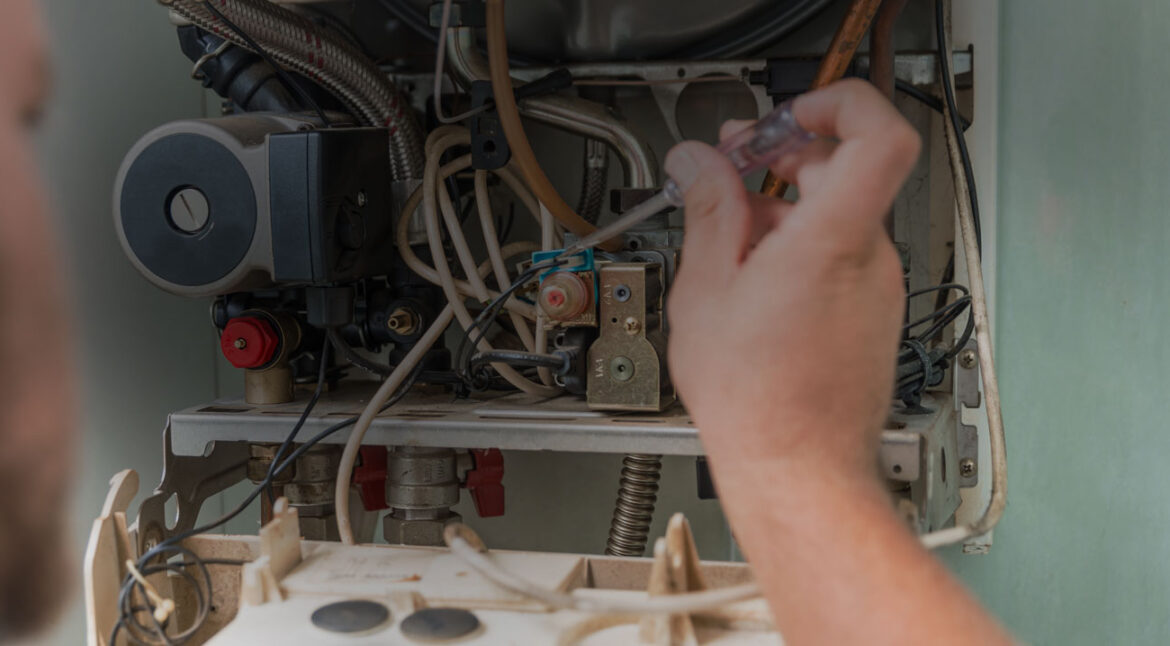
A heating emergency rarely starts as an emergency. It starts as a furnace that cycles a little longer than usual. A heat pump that struggles on colder mornings. A thermostat that seems “off” by a few degrees. Then a real cold snap hits, and the system quits when you need it most.
If you wait until your home is already losing heat, you will be forced into rushed decisions. You are also competing for the same appointment times as everyone else who waited.
The smarter move is simple: Call HVAC 911 before the breakdown. HVAC 911 can refer you to a local heating and cooling contractor so you can handle small issues early and reduce the chance of a no-heat situation later.
Why calling early matters
When your system is still running, a contractor can diagnose problems under normal operating conditions. That makes it easier to spot warning signs such as:
- Weak airflow from a clogged filter or failing blower component.
- Short cycling caused by thermostat issues or airflow restrictions.
- Unusual noises that point to worn bearings, loose panels or motor strain.
- Heat pump performance drops tied to refrigerant issues or defrost problems.
- Furnace ignition problems that show up intermittently before a full failure.
Catching these issues early can mean a straightforward repair instead of an after-hours emergency call. It can also help protect expensive-to-replace system components.
What HVAC 911 does and why it helps
HVAC 911 is a referral service that helps connect homeowners with local heating and cooling contractors. Instead of searching through dozens of listings during a stressful moment, you can make one call and be connected to a qualified professional for your needs.
That experience matters because heating systems are not one-size-fits-all. A contractor who understands your type of equipment and your home’s layout can help you make better choices about repair versus replacement and maintenance versus upgrades.
Calling HVAC 911 before an emergency gives you time to:
- Schedule service on your terms
- Ask questions and understand your options
- Address safety concerns without panic
- Plan for repairs before comfort becomes urgent
The hidden costs of waiting
A heating emergency can create more than discomfort. It can lead to frozen pipes, water damage, and unsafe indoor conditions, especially for children, older adults and anyone with health issues. Even if you avoid those worst-case outcomes, waiting often leads to higher costs in other ways.
When a system runs while struggling, it can waste energy. It can also put extra strain on components such as motors, igniters and control boards. That strain can turn a minor fix into a bigger repair.
There is also the time cost. When demand spikes, contractors’ schedules fill fast. If your system fails during the first major cold stretch, you may have fewer appointment options and longer waits.
Signs you should call now
If you notice any of the following, it is worth calling HVAC 911 today for a referral:
- Your heat is uneven from room to room.
- Your system is louder than normal.
- Your energy bills are rising without a clear reason.
- Your furnace or heat pump is running constantly.
- You smell unusual odors when the heat turns on.
- Your thermostat does not seem to match how the home feels.
These are common early indicators that something is off. They do not always mean a major repair is coming, but they do mean it is time for a professional to look at your system.
What to do before you call
You do not need to diagnose the problem. A few quick notes can help the contractor move faster once you are scheduled:
- Your equipment type and approximate age, if you know it.
- Whether the issue is constant or intermittent.
- Any recent changes, such as a new thermostat or renovation.
- The last time the system was serviced.
Once you have these items, call HVAC 911 and request a referral to a local heating and cooling contractor.
HVAC 911 helps homeowners connect with experienced and well-trained local heating and cooling contractors for repairs and service. If your system is showing warning signs, do not wait for a breakdown.
Call HVAC 911 today for a referral and get help before you have a heating emergency.

