
If you want to save money on your taxes after an HVAC upgrade, start by making sure you have the documentation needed to claim any available credits or energy-efficiency incentives. Gather your invoices, model numbers and manufacturer efficiency documentation before you file.
If you cannot confirm what was installed or whether it meets program requirements, contact your installer or an HVAC technician to verify the details and to help you avoid missing valuable savings or making filing errors.
Discover savings | Retrofit incentives and HVAC credit basics
What’s happening
Tax season prompts many homeowners to look for federal credits tied to energy-efficient home improvements, including certain HVAC upgrades. The challenge is that eligibility can depend on the type of equipment, efficiency ratings, installation date and how documentation is completed.
Even when a system qualifies, claims can be delayed or denied if the paperwork is incomplete or the equipment details are unclear. Getting organized early helps you file accurately and reduces last-minute scrambling.
Remember to consult with a tax professional regarding your specific eligibility and filing.
Why it happens
HVAC upgrades often involve multiple components — indoor unit, outdoor unit, thermostat, ductwork changes — so homeowners may not know which part matters for a credit. Documentation can also be split across proposals, change orders and final invoices, making it easy to miss a key detail.
Another common issue is confusion between “rebates” and “tax credits,” which are not the same and may require different steps. Requirements can also change over time, so older guidance may no longer apply to a 2026 filing.
What HVAC service technicians see in the field
HVAC service techs often see homeowners who have a high-efficiency system installed but don’t receive clear, consolidated documentation at the end of the job. They also see cases where model numbers on paperwork don’t match the final installed equipment due to substitutions or supply-chain changes.
When questions come up, the fastest path is usually to verify the installed model/serial information and confirm the system configuration (for example, that indoor/outdoor components match). That verification can prevent incorrect assumptions that lead to filing mistakes.
What you can do now
Create a simple “tax folder” (digital or paper) and collect all HVAC-related documents from the project, including proposals, paid invoices and any manufacturer certificates or spec sheets you received. Take clear photos of the equipment nameplates (model/serial) on both indoor and outdoor units and store them with the invoice.
Write down the installation date and the address where the equipment was installed, as the timing and location of installation (primary residence vs. other) can matter for certain programs. If you financed the project, keep the financing agreement and payment records.
Checklist:
- Invoice(s) showing paid amount and install date.
- Model numbers for all major components (photos of nameplates).
- Manufacturer efficiency documentation (as provided).
- Proof of payment (receipt, cleared payment or financing record).
- Installer/contractor contact info for quick follow-up.
[INSERT IMAGE: Close-up of HVAC nameplate showing model and serial number | ALT: HVAC equipment nameplate with model and serial number]
When to call an HVAC technician
Call if you cannot locate model numbers, if the installed equipment doesn’t match your paperwork or if you’re unsure what components were actually replaced. Also, call if the system is not operating correctly, because performance issues should be addressed regardless of any credit.
If you’re planning additional upgrades to qualify for incentives, an HVAC technician can help confirm compatibility and proper system matching before you spend more. This is especially important when mixing new equipment with older components.
What an HVAC technician will do
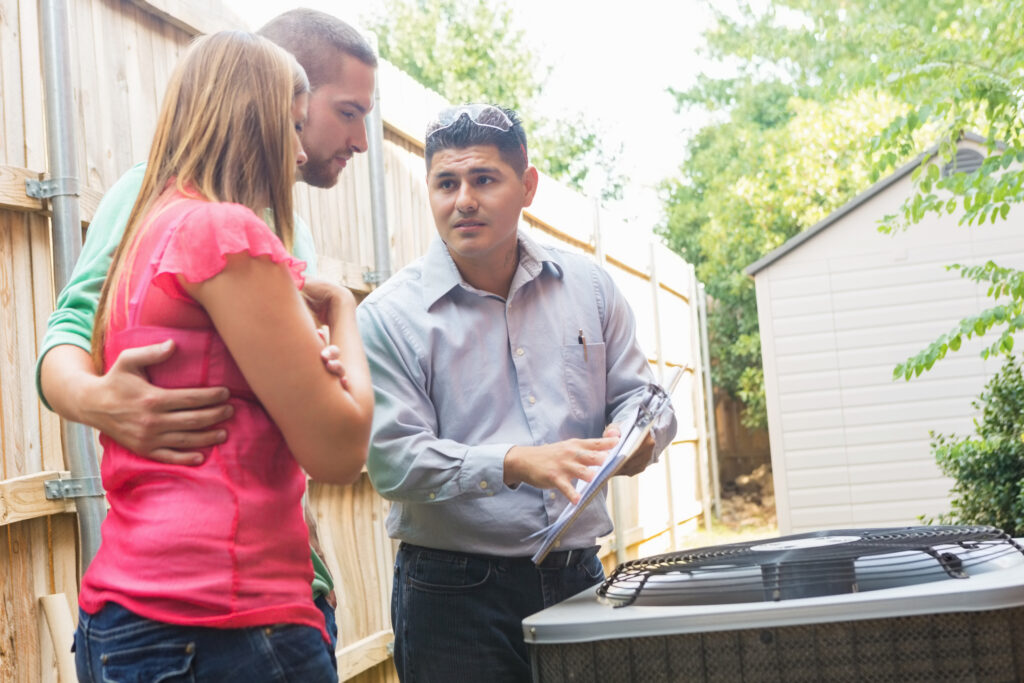
A technician can verify installed equipment by reading nameplates, confirming that system components match and documenting configuration details that homeowners often don’t have on hand. They may also review installation quality factors — such as airflow, refrigerant charge and thermostat setup — so the system performs as intended.
If documentation is missing or inconsistent, they can help you identify what was installed and provide service records or verification notes for your files. If the system needs adjustments, they can address issues affecting comfort, efficiency and long-term reliability.
Be Prepared
At the end of any HVAC project, request a single closeout packet that includes final model numbers, warranty registration confirmation and any efficiency documentation provided by the manufacturer. Save digital copies immediately so you don’t have to search for paperwork months later.
Before signing off on the job, confirm the installed equipment matches the proposal (or that substitutions are documented).
If you plan future upgrades, ask how changes could affect system matching and documentation needs.
FAQs
- Do I need a manufacturer certificate to claim an HVAC credit?
It depends on the program and the equipment, but having manufacturer documentation and clear model numbers makes verification much easier. Keep whatever documentation you receive with your invoice.
- What if my invoice doesn’t list the model number?
Take photos of the equipment nameplates and ask the installer for an updated invoice or completion document showing the installed models. Accurate model identification is one of the most common missing pieces.
- Are rebates the same as tax credits?
No. Rebates are typically applied through a program or utility process, while tax credits are claimed when you file. You may be able to use both, but the steps and rules can differ.
- What if I upgraded only part of my system?
Partial upgrades can still be beneficial, but eligibility may depend on the specific component and whether the system is properly matched. If you’re unsure what you have, a technician can verify the configuration.
Call HVAC 911
When you are considering upgrading your HVAC system, call an expert who can not only recommend a unit that is right for your house but also help you save at tax time by pointing out any tax credits or rebates.
HVAC 911 is a referral service affiliated with the top local licensed, bonded and insured HVAC contractors in the area. They employ highly qualified technicians who have completed over 10,000 hours of training and undergone rigorous background checks. Call HVAC 911 today!

