

If your furnace won’t ignite or keeps turning on and off, the first step is completing some basic safety checks: thermostat settings, air filter, vents and power/reset steps.
If you smell gas, hear repeated ignition attempts or the system short-cycles after basic troubleshooting, stop and call a qualified pro.
Check out: Furnace repair help and next steps
What’s happening
Ignition failure means the furnace tries to start, but the burner never lights, so the system shuts down to prevent unsafe operation. Short cycling means it starts, runs briefly, then shuts off and repeats, often without warming the home.
These issues can happen together because modern furnaces use safety sensors and control boards that stop the cycle when something looks wrong. The result is discomfort, higher energy use and extra wear on parts.
Why it happens
Ignition failures are commonly tied to problems with the igniter, flame sensor, gas supply or airflow that prevents safe combustion. Sometimes it’s as simple as a tripped switch or dirty component, and other times it’s a failing control.
Short cycling is often caused by overheating due to restricted airflow, a clogged filter, blocked vents or a limit-switch issue. It can also come from thermostat problems, improper settings or a furnace that’s struggling to maintain stable operation.
What you can safely do now
Use this checklist to rule out common issues before you schedule service. If anything feels unsafe or you’re unsure, stop and call HVAC 911 for a referral.
- Check the thermostat: Confirm it’s set to “Heat” and the temperature is set above room temperature.
- Replace the air filter: A clogged filter can cause overheating and short cycling.
- Open all supply vents and return grilles: Closed vents can restrict airflow and trip safety limits.
- Verify power: Check the furnace switch and breaker, and ensure the front panel is seated properly.
- Look for error codes: If your unit has a status light, note the blink pattern for the technician.
- Confirm the gas is on (if applicable): Ensure the gas shutoff valve is open; do not force it.
- Try one safe reset: Turn the system off at the thermostat for a few minutes, then back on.
[INSERT IMAGE: Close-up of a clean vs clogged HVAC filter comparison | ALT: Clean and clogged furnace filters side by side]
When to call an HVAC contractor
Call an HVAC contractor immediately if you smell gas, hear repeated clicking/ignition attempts or see soot around the furnace. Also, call if the furnace starts then stops within a minute or two repeatedly, because short cycling can overheat components and damage the system.
If you’ve replaced the filter, confirmed vents are open, and verified power, but the problem continues, professional diagnosis is the safest next step. Avoid repeated resets, as they can mask the issue and cause stress on ignition parts.
What an HVAC technician will do
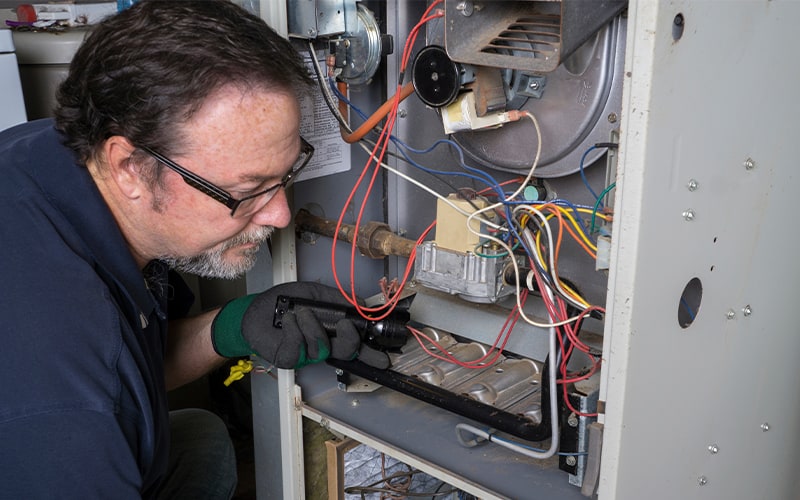
A qualified HVAC service technician will start by checking safety conditions, reading fault codes and confirming proper airflow and venting. They’ll test the ignition sequence, igniter, gas valve operation, flame sensing and the control board logic.
They may clean or replace a flame sensor, inspect burners for debris, verify draft/pressure switches and confirm the system isn’t overheating due to restricted airflow. If short cycling is tied to thermostat placement or wiring, they’ll verify signals and cycle timing.
Prevention tips
Change filters on a consistent schedule and keep supply/return vents unobstructed to maintain airflow. If you use humidifiers or have dusty conditions, filters may need to be replaced more frequently.
Schedule routine inspections so sensors, burners and safety switches can be cleaned and tested before peak season. If you notice new noises, frequent cycling or uneven heat, address it early rather than waiting for a no-heat situation.
FAQs
Why does my furnace click but not ignite?
Repeated clicking often means the system is trying to light but failing a safety check or not establishing a flame. Stop repeated resets and schedule service if basic checks don’t resolve it.
Can a dirty flame sensor cause short cycling?
Yes, if the flame sensor can’t confirm flame, the furnace may shut down quickly and retry. Cleaning or replacing the sensor is common, but it should be diagnosed properly.
Is short cycling dangerous?
It can be, especially if it’s caused by overheating, venting problems or combustion issues. It also increases wear and can lead to a complete shutdown.
Should I keep resetting my furnace if it won’t stay on?
No. Repeated resets can worsen wear on ignition components and delay the real fix. Try one safe reset, then call an HVAC contractor if the issue persists.
Call HVAC 911
If you’re dealing with ignition failures and short-cycling right now, it’s safer and faster to get a qualified HVAC technician involved before the problem escalates, especially if the safety checks haven’t resolved it.
HVAC 911 is a referral service affiliated with the best local licensed, bonded and insured HVAC contractors in the area. They employ highly qualified service technicians who have completed over 10,000 hours of training and undergone rigorous background checks. Call HVAC 911 today!

