
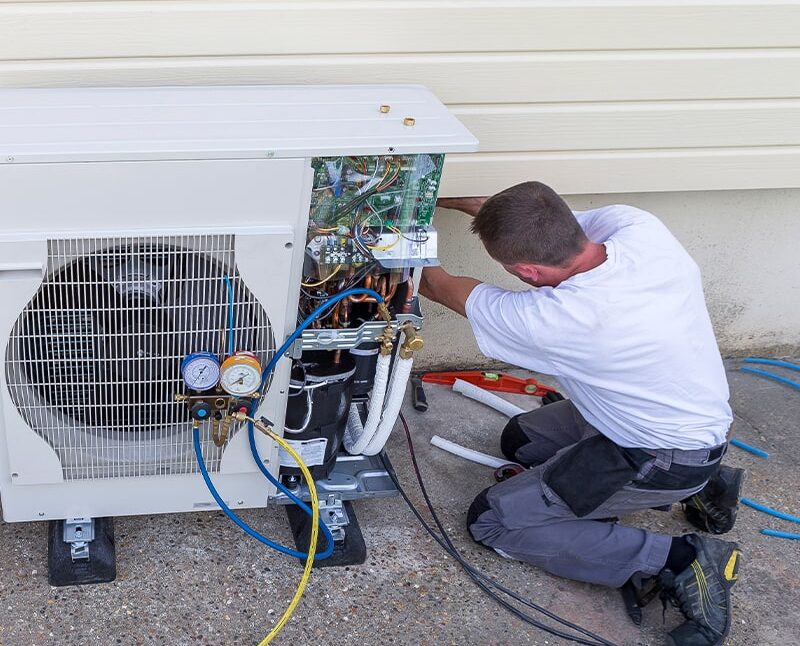
As energy costs continue to rise, many homeowners are seeking more efficient ways to heat and cool their homes without compromising comfort. One solution gaining attention is the heat pump. While heat pumps are not new technology, many homeowners are surprised to learn how effective they can be at reducing utility bills when installed and used correctly.
HVAC 911 can refer them to licensed HVAC contractors who can determine whether a heat pump is a good fit for their home.
How Heat Pumps Work
Unlike traditional furnaces, which generate heat by burning fuel, heat pumps transfer heat from one place to another. During colder months, a heat pump pulls heat from the outdoor air and transfers it indoors. Even when temperatures feel cold, there is still usable heat energy outside that a heat pump can capture. In warmer weather, heat pumps work in reverse.
Because heat pumps move heat instead of creating it, they typically use less energy than conventional systems.
Energy Transfer Instead of Heat Creation
Furnaces rely on gas, oil or electricity to produce heat. Heat pumps rely on electricity to move existing heat. This process is generally more efficient and can significantly reduce energy consumption over time.
Why Heat Pumps Can Reduce Costs
Heat pumps are designed to operate efficiently for long periods rather than cycling on and off at high intensity. This steady operation helps reduce energy waste and maintain consistent indoor temperatures.
Higher Efficiency Ratings
Many modern heat pumps have high efficiency ratings compared to older furnaces or baseboard heating systems. Less energy will translate into lower monthly utility bills.
Reduced Fuel Dependency
Homes that rely on oil, propane or older gas systems may see noticeable savings after switching to a heat pump. Reducing dependence on fuel-based heating can help stabilize heating costs, especially during peak winter demand.
When a Heat Pump Makes Sense for a Home
Heat pumps are not a one-size-fits-all solution. Climate, home size, insulation and existing HVAC infrastructure all play a role in determining whether a heat pump is the right choice.
Mild to Moderate Winter Climates
Heat pumps perform especially well in regions with mild to moderate winters. In colder climates, many homeowners use heat pumps in conjunction with a backup heating system to maintain efficiency during extreme temperatures.
Well-Insulated Homes
Homes with proper insulation and sealed ductwork allow heat pumps to operate more efficiently. Poor insulation can reduce performance and limit potential savings.
What Homeowners Can Consider Before Making a Decision
Before investing in a heat pump, homeowners should gather information rather than attempting to evaluate the system themselves.
Evaluate Current Heating Costs
Understanding current energy usage and heating expenses can help determine whether a heat pump may offer long-term savings.
Consider Installation Requirements
Heat pump installation involves electrical systems, refrigerant lines, ductwork and load calculations. These factors must be evaluated by a licensed HVAC contractor to ensure proper performance and safety.
Call HVAC 911 for Heat Pump Guidance
Choosing and installing a heat pump requires professional evaluation. HVAC 911 is a referral service that connects homeowners with licensed, bonded and insured HVAC contractors whose service technicians have the training and experience to assess needs, recommend appropriate systems and perform installations correctly.
Contractors referred through HVAC 911 can evaluate whether a heat pump is the best option or if another solution would provide better results for the home.

