
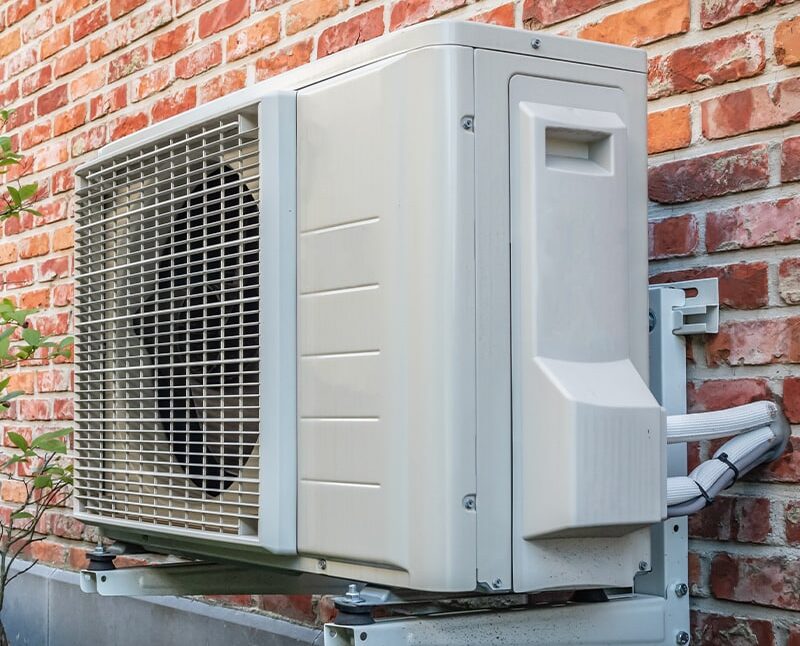
Finding ice on your heat pump during the hottest months seems contradictory. However, a frozen heat pump is one of the more common warm-season service calls, and it almost always signals a problem that requires professional attention, not just time to thaw.
When you notice ice on the indoor coil or on the refrigerant lines running to your outdoor unit, the first step is to turn the system off. Turn the fan on to begin thawing, and then call a technician to identify the underlying cause.
Running a frozen heat pump accelerates damage to the compressor and other components. Getting a technician involved promptly matters.
Call HVAC 911 for a referral to a local licensed contractor who can diagnose and repair the problem correctly.
Emergency Heat Pump Repair Services | HVAC 911
What’s Happening
A heat pump cools a home by absorbing heat from indoor air at the evaporator coil and releasing it outside. The process relies on refrigerant cycling through the coil at a controlled temperature and pressure. The coil needs to be cold enough to absorb heat from the air, but not so cold that moisture in the air freezes on its surface.
When the balance between refrigerant temperature, airflow and heat load is disrupted, the coil surface drops below freezing. Condensation then turns to ice.
A light frost on the coil after extended operation can be normal and temporary. Ice that builds visibly on the coil surface, extends onto the refrigerant lines or causes the system to stop cooling is not normal. It requires attention.
The frustrating part about a frozen heat pump is that the symptom, ice, makes it look like the system is working too well when, in reality, it’s failing.
A frozen coil can’t absorb heat from the air. The colder the coil gets, and the more ice builds, the less cooling the system delivers. Homeowners sometimes notice the house warming up, check the system, find ice on it and conclude that the system is simply overwhelmed by the heat. In fact, the ice itself is the reason the house is warming up. The underlying cause of the ice is what needs to be addressed.
Why It Happens
The most common cause of summer heat pump freezing is restricted airflow across the evaporator coil. The coil needs a steady, adequate volume of air moving across it to absorb heat and keep the surface from dropping below freezing.
When airflow is restricted, the coil surface temperature falls below freezing even in summer heat. Common causes include a clogged filter, a blocked return air grille, a dirty coil or a malfunctioning blower motor.
Moisture from the air condenses and freezes on the coil. As the ice layer builds, it further restricts airflow, worsening the problem. A severely clogged filter is the most common cause of heat pump freezing. It’s also the one most readily avoided through routine maintenance.
The second most likely cause is a low refrigerant charge due to a leak. Refrigerant operates within a specific pressure and temperature range.
When the charge is low, the pressure on the low-pressure side of the system drops below its designed range. The refrigerant then expands more than intended at the evaporator coil, and the coil surface temperature drops below freezing.
Unlike airflow restriction, which a homeowner can sometimes address with a filter change, low refrigerant requires a technician. They need to locate and repair the leak, evacuate the system and recharge it to the manufacturer’s specification. A heat pump that has frozen once due to low refrigerant will freeze again on the same timeline unless the leak is repaired.
A third possible cause is specific to heat pumps rather than conventional AC systems: a malfunctioning reversing valve or defrost control. Heat pumps include components that manage the transition between heating and cooling modes and initiate defrost cycles when needed.
A stuck reversing valve or a defrost board that isn’t functioning correctly can disrupt normal refrigerant flow. The coil can then behave as if it’s in heating mode, absorbing heat from the outdoor environment rather than the indoor air, leading to freeze-up even in summer conditions. This cause is less common than airflow restriction or low refrigerant, but it requires a technician familiar with heat pump systems to diagnose.
What You Can Safely Do Now
If you find ice on your heat pump, follow this specific sequence of steps to protect the system while you wait for a technician. The goal is to thaw the ice without causing additional damage. You’ll also want to gather information that helps the technician diagnose the cause more efficiently.
- Immediately turn the system off at the thermostat. Do not continue running the system in cooling mode with ice present. Running the compressor while the coil is frozen places thermal stress on it, which can turn a coil and refrigerant repair into a compressor replacement.
- Switch the fan setting to thaw the ice. Turning on the thermostat fan (rather than auto) runs the blower without the compressor. This moves room-temperature air across the frozen coil, speeding up the thaw. Place towels around the base of the indoor unit to catch water as the ice melts. Allow one to three hours for a full thaw, depending on how much ice has accumulated.
- Check and replace the air filter. A severely clogged filter is the most common cause of freezing. Replace the filter before the technician arrives. If the system freezes again after a filter change and thaw cycle, the cause is something the filter alone won’t resolve. A technician is needed regardless.
- Check that all supply and return vents are fully open and unobstructed. Closed vents and blocked return grilles reduce airflow to the coil. Walk through the home and confirm every vent is open. Make sure no furniture, rugs, or stored items are covering return air grilles.
- Check the outdoor unit for visible ice or debris. Note whether it’s running normally, partially or not at all. Ice on the outdoor coil during summer operation is a sign of a refrigerant or system problem. (In winter, brief defrost cycles are normal.) Clear any debris around the unit, but do not chip or scrape ice from the coil.
- Note when the freezing occurred and how long the system had been running. A heat pump that freezes within an hour of startup suggests a different cause than one that runs normally for eight hours before icing over. This timeline is useful diagnostic information for the technician.
When to Call an HVAC Technician
Call a technician after the ice has thawed and the system has been off for at least an hour. If you replaced the filter and restarted the system, and it froze again within a few hours, call before running it further.
Low refrigerant levels, a malfunctioning reversing valve and blower motor problems all require professional diagnosis. A system that freezes repeatedly is telling you something a filter change won’t fix. Each freeze-and-run cycle adds additional stress to the compressor.
Call immediately and do not restart the system if you observe any of the following alongside the ice:
- A grinding, banging or high-pitched screaming sound from either unit
- Water actively dripping from the indoor unit onto the floor or into the walls, rather than the normal condensate drain
- A burning smell from the air handler or the outdoor unit
- A circuit breaker that trips when the system restarts after thawing
These signs indicate a system in mechanical or electrical distress. It should not be operated until a technician has assessed it.
What HVAC Service Technicians See in the Field
Technicians responding to summer heat pump freeze-ups encounter a consistent sequence of events from the homeowner’s perspective. The house stops cooling, and the homeowner checks the system, finding ice. They wait for it to thaw, restart the system, and the cycle repeats two or three times before a technician is called.
By the time the technician arrives, the compressor has been run repeatedly through freeze-and-restart cycles. Those cycles place disproportionate startup stress on compressor components. In most cases, the compressor is still serviceable, but the repair that started as a filter replacement or a refrigerant charge now has a more involved assessment than it would have during the first freeze event.
The other pattern technicians see regularly is a heat pump that has been freezing intermittently for an extended period before the homeowner calls. The system freezes, but the homeowner waits it out. It then runs normally for a few days, then freezes again.
These intermittent cases often point to a refrigerant charge that is marginally low rather than severely depleted. There’s enough refrigerant to function under mild conditions, but not enough to handle sustained heat or reduced airflow on the hottest days.
Catching this pattern early — at the first or second freeze event — yields a simpler repair. Addressing it after a season of intermittent operation is more involved. During that time, the leak has had time to progress, and the compressor has accumulated stress cycles.
What an HVAC Technician Will Do
When a technician arrives after a heat pump freeze event, the diagnostic process begins by confirming the system is fully thawed. Refrigerant pressure readings from a system with ice still on the coil are not accurate.
Once thawed, the technician will measure airflow across the evaporator, check refrigerant pressure on both the high and low sides of the system, assess blower motor performance and inspect the coil surface for fouling that may have contributed to the restriction.
If low refrigerant is confirmed, the technician will perform a leak search to locate the source before adding any charge. They’ll repair the leak, evacuate and recharge the system to specification and retest performance under normal operating conditions.
If airflow restriction beyond the filter is the cause — a fouled coil, failing blower motor or a duct obstruction — those issues will be addressed before the system is returned to service.
For suspected reversing valve or defrost control issues, the technician will run the system through its operating modes. They’ll observe refrigerant circuit behavior and component function to confirm the diagnosis.
At the end of the visit, the technician should provide a written summary of the cause, what was repaired and the system’s refrigerant level. This documentation is useful for any future service calls.
Be Prepared
After a freeze event and repair, the most useful ongoing step is to establish a consistent filter-replacement schedule. The filter is the most direct homeowner-controlled variable to prevent your heat pump from freezing.
A filter that is replaced on schedule — every 30 to 90 days, depending on type and household conditions — eliminates the most common cause of summer freezing. Set a calendar reminder and keep a spare filter on hand. This way, replacement happens on schedule rather than after the system has already shown symptoms.
Once a year, at the start of the cooling season, have a technician inspect the evaporator coil for fouling that a filter change doesn’t address. Fine airborne particles that pass through the filter accumulate on the coil surface over time. A coil that is restricted by 20 percent contributes to the freeze risk during sustained summer operation.
A professional coil cleaning restores airflow and reduces the likelihood of a mid-summer freeze event. This is particularly important in homes where the system runs for long periods.
If your heat pump has frozen more than once in the same season despite a clean filter, don’t treat it as a recurring maintenance item. Instead, treat it as a diagnostic signal that warrants a focused inspection.
A system that repeatedly freezes is communicating something about its refrigerant charge, airflow path or control components. A technician needs to identify and address it. Catching a slow refrigerant leak or a marginally failing blower motor during a scheduled inspection is significantly less disruptive and less expensive than addressing a compressor failure that develops from a season of repeated freeze cycles.
FAQs
Is it normal for a heat pump to have some frost on it in summer?
A very light frost on the evaporator coil during extended operation can occur and clear on its own. This is more likely when outdoor humidity is high and the system has been running for many consecutive hours.
What is not normal is visible ice accumulation on the coil surface, ice extending onto the refrigerant lines, ice on the outdoor unit during summer cooling operation or a system producing noticeably reduced cooling while ice is present. If the frost doesn’t clear within a normal cycle or returns consistently, treat it as a symptom worth investigating rather than a normal operating characteristic.
Can I just wait for the ice to melt and restart the system, or should I call a technician?
Thawing the ice before restarting is the right first step. Running the compressor while the coil is frozen can damage it.
If the cause was a severely clogged filter, replacing the filter after the thaw and restarting may resolve the problem. However, if the system freezes again within a few hours of restarting, or if the filter was not visibly clogged, the cause is something a filter change won’t address. A technician is needed.
Use a freeze event as the prompt for a service call, not as a reason to keep thawing and restarting. This approach protects the compressor and leads to a lasting fix rather than a managed symptom.
My heat pump freezes up only on the hottest days. Does that mean it’s just undersized for my home?
It might, but undersizing is actually one of the least common explanations for freeze events during peak heat.
More often, the combination of peak outdoor temperatures and maximum system runtime exposes a marginal refrigerant charge or an airflow restriction. The system compensates for these issues during milder conditions, but can’t sustain that during a heat event.
A technician can measure refrigerant charge and airflow under actual operating conditions. They can then determine whether the system is performing within its design parameters or falling short due to a maintenance issue. If the system is confirmed to be properly maintained and correctly charged but still freezes under peak load, a capacity and sizing discussion is warranted. However, this conclusion should come after the maintenance factors are ruled out, not assumed.
Does a frozen heat pump always mean I need a refrigerant recharge?
No, and assuming it does can lead to an unnecessary charge that masks the real cause. Refrigerant is the correct answer when a low charge, confirmed by pressure measurement, is the cause of the freeze.
When the cause is airflow restriction from a clogged filter, a fouled coil or a blower motor problem, adding refrigerant doesn’t address the actual issue. It can also overfill the system if it wasn’t actually low.
A technician who diagnoses before treating will identify the actual cause and apply the correct repair. That means measuring airflow, assessing filter and coil condition and taking refrigerant pressure readings after a full thaw rather than defaulting to a refrigerant addition that may or may not be appropriate.
Call HVAC 911
If your heat pump is freezing up during the cooling season, getting a qualified technician involved quickly is the most reliable way to identify the cause. It also protects the system from compressor damage caused by repeated freeze-and-run cycles.
Freeze events don’t resolve on their own. The underlying cause — whether it’s airflow, refrigerant or a control component — requires professional diagnosis to be addressed correctly.
HVAC 911 is a referral service affiliated with the top local licensed, bonded, and insured HVAC contractors in the area. They employ highly qualified technicians who have completed over 10,000 hours of training and undergone rigorous background checks. Call HVAC 911 today!

